Xuất khẩu

Languages

  • Tiếng Việt
  • English
Vinno

Europe's No. 1 Retail Empire Expands Supply Chain to Vietnam: An Opportunity for Sustainable Coffee

The expansion of the supply chain by Europe’s leading supermarket chain – Lidl – to Vietnam, through the addition of Ho Chi Minh City to the international freight route operated by Tailwind Shipping Lines, has created a significant opportunity for Vietnam’s coffee industry. Among its import portfolio, coffee is one of the key products that Lidl prioritizes sourcing from Vietnam, alongside countries such as Brazil and Colombia.

However, to become an official supplier for Lidl, Vietnamese coffee businesses must meet a series of strict sustainability requirements outlined in the group's global sourcing policy. Specifically:

Green Coffee Beans:
Lidl’s private label suppliers sourcing green coffee from Vietnam must follow the Segregated or Identity Preserved traceability models. This means the coffee must be separated and its origin preserved by specific regions.

For uncertified products, the coffee must be verified as deforestation-free. This verification must be conducted through a Monitoring & Verification (M&V) system that aligns with the standards set by the Accountability Framework Initiative (AFi) — an international benchmark for supply chain responsibility.

Roasted Coffee, Coffee Pods, and Instant Coffee:
According to Lidl’s regulations:

  • As of the end of the 2022 financial year, all roasted coffee, instant coffee, and coffee pods under Lidl’s private labels must be certified by Fairtrade, Rainforest Alliance, or Organic standards.

  • By the end of the 2024 financial year, this requirement will be extended to all ready-to-drink coffee beverages and coffee pods.

These standards ensure not only traceability and transparency but also require businesses to uphold commitments to environmental protection, fair labor conditions, and the prohibition of forced and child labor.

With over 12,350 stores across Europe and revenues exceeding €132 billion, Lidl is one of the world’s most powerful retail partners. Joining Lidl’s supply chain represents a major leap forward for Vietnamese coffee, elevating its brand and export value while providing access to millions of global consumers who are increasingly prioritizing sustainability in their product choices.

This is a golden opportunity for Vietnamese coffee enterprises to restructure their value chains, develop sustainable sourcing regions, and obtain international certifications — in order to establish a stronger presence in global retail systems like Lidl.


GEVA – Supporting Businesses on the Green Export Journey
Amid the global green transition, GEVA – the project “Green Export Incubation and Acceleration through Voluntary Sustainability Standards (VSS)” – serves as a launchpad to support Vietnamese businesses in three key sectors: coffee, nuts, and spices, helping them grow sustainably and reach international markets.
Đế chế bán lẻ số 1 Châu Âu mở rộng chuỗi cung ứng tới Việt Nam: Cơ hội cho cà phê bền vững

Việc chuỗi siêu thị hàng đầu châu Âu – Lidl – mở rộng chuỗi cung ứng sang Việt Nam thông qua việc bổ sung TP. Hồ Chí Minh vào tuyến vận tải hàng hóa quốc tế của hãng tàu Tailwind Shipping Lines đã mở ra cơ hội quan trọng cho ngành cà phê Việt Nam. Trong danh mục nhập khẩu, cà phê là một trong những mặt hàng được Lidl ưu tiên thu mua từ Việt Nam bên cạnh các quốc gia như Brazil và Colombia.

Tuy nhiên, để trở thành nhà cung cấp chính thức cho Lidl, các doanh nghiệp cà phê Việt cần đáp ứng một loạt yêu cầu nghiêm ngặt về phát triển bền vững, được thể hiện trong chính sách thu mua nguyên liệu toàn cầu của tập đoàn. Cụ thể:

  • Cà phê nhân xanh:

Các nhà cung cấp thương hiệu riêng của Lidl thu mua cà phê nhân xanh từ Việt Nam thông qua mô hình truy xuất nguồn gốc Segregated hoặc Identity Preserved – nghĩa là cà phê phải được phân tách và bảo toàn nguồn gốc theo từng vùng cụ thể.

Đối với sản phẩm chưa được chứng nhận, cà phê bắt buộc phải được xác minh là không có nguồn gốc từ vùng rừng bị chặt phá (deforestation-free). Việc xác minh này cần sử dụng hệ thống giám sát và xác minh (Monitoring & Verification - M&V), đáp ứng các tiêu chuẩn theo hướng dẫn của Accountability Framework Initiative (AFi) – một bộ tiêu chuẩn quốc tế về trách nhiệm chuỗi cung ứng.

  • Cà phê rang xay, cà phê viên nén và cà phê hòa tan:

Theo quy định của Lidl:

  • Từ cuối năm tài chính 2022, tất cả sản phẩm cà phê rang, cà phê hòa tan và viên nén mang thương hiệu riêng phải có chứng nhận Fairtrade, Rainforest Alliance hoặc Organic.

  • Đến cuối năm tài chính 2024, yêu cầu này mở rộng cho toàn bộ sản phẩm đồ uống cà phê đóng chai, cà phê pods.

Các tiêu chuẩn này không chỉ đảm bảo tính truy xuất nguồn gốc và minh bạch, mà còn yêu cầu doanh nghiệp tuân thủ các cam kết về bảo vệ môi trường, điều kiện lao động công bằng, không sử dụng lao động cưỡng bức hoặc lao động trẻ em.

Với hơn 12.350 cửa hàng trên khắp châu Âu, doanh thu vượt 132 tỷ euro, Lidl đang là một trong những đối tác phân phối mạnh nhất thế giới. Gia nhập chuỗi cung ứng của Lidl chính là bước đệm lớn giúp cà phê Việt nâng tầm thương hiệu và giá trị xuất khẩu, tiếp cận hàng triệu người tiêu dùng toàn cầu đang ngày càng quan tâm đến yếu tố bền vững trong lựa chọn sản phẩm.

Đây là thời điểm vàng để các doanh nghiệp cà phê Việt tái cấu trúc chuỗi giá trị, xây dựng vùng nguyên liệu bền vững và đạt chứng nhận quốc tế – nhằm hiện diện mạnh mẽ hơn trong hệ thống bán lẻ toàn cầu như Lidl.


GEVA – Đồng hành cùng doanh nghiệp trên hành trình xuất khẩu xanh

Trong làn sóng chuyển đổi xanh toàn cầu, GEVA – Dự án “Ươm tạo và Tăng tốc xuất khẩu xanh thông qua Tiêu chuẩn Bền vững Tự nguyện (VSS)” – chính là bệ phóng hỗ trợ doanh nghiệp Việt trong 3 lĩnh vực: cà phê, hạt, gia vị phát triển bền vững và vươn ra thị trường quốc tế.

Agricultural Bussinesses on the Journey Toward Greening and Sustainable Export

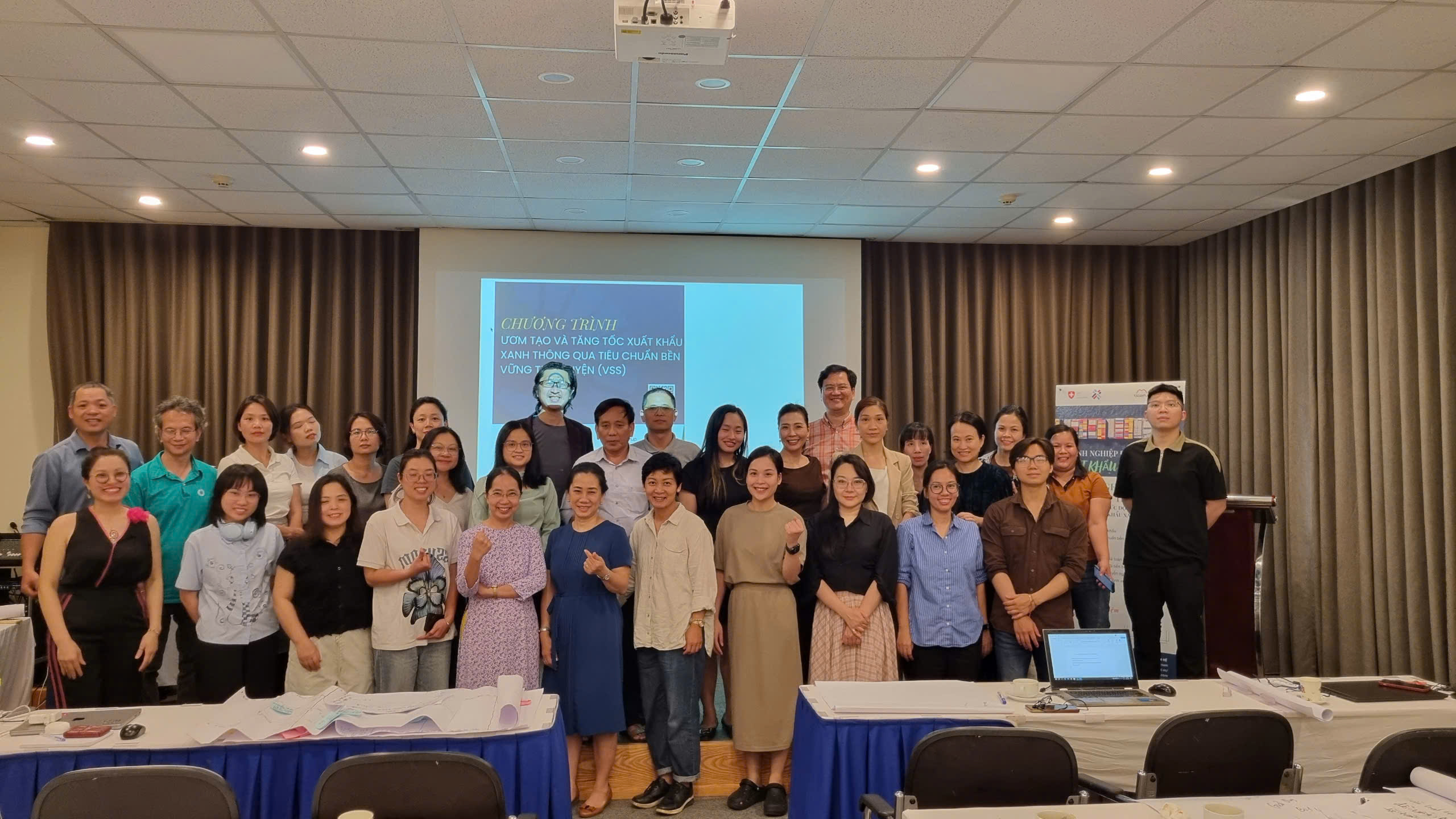
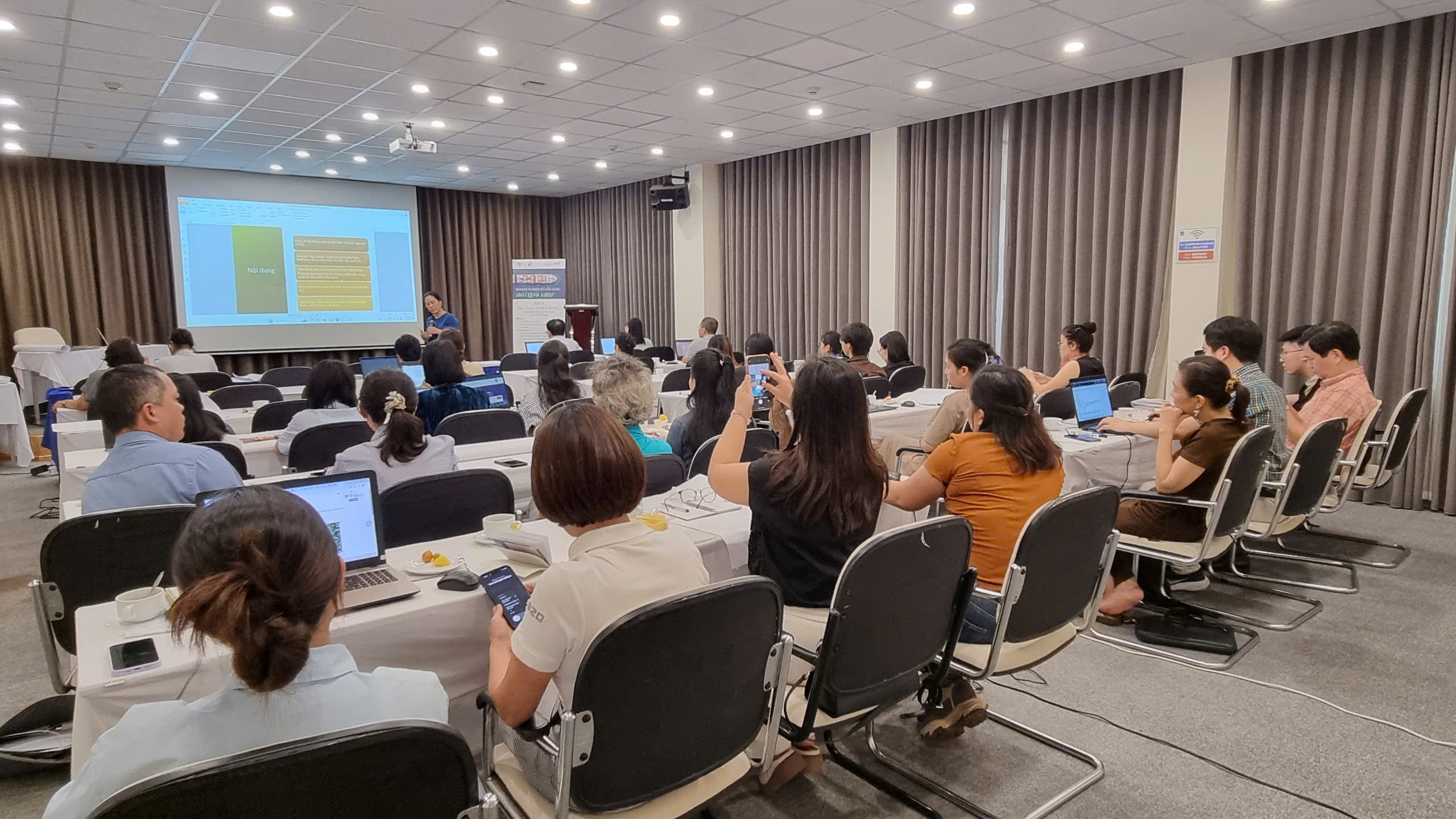
The second day of the Green Export training program in Hanoi continued to provide valuable knowledge and practical insights for agricultural businesses, especially those in the process of transitioning their business models toward sustainability to meet international standards.


Innovative Business Model Thinking and Effective Communication
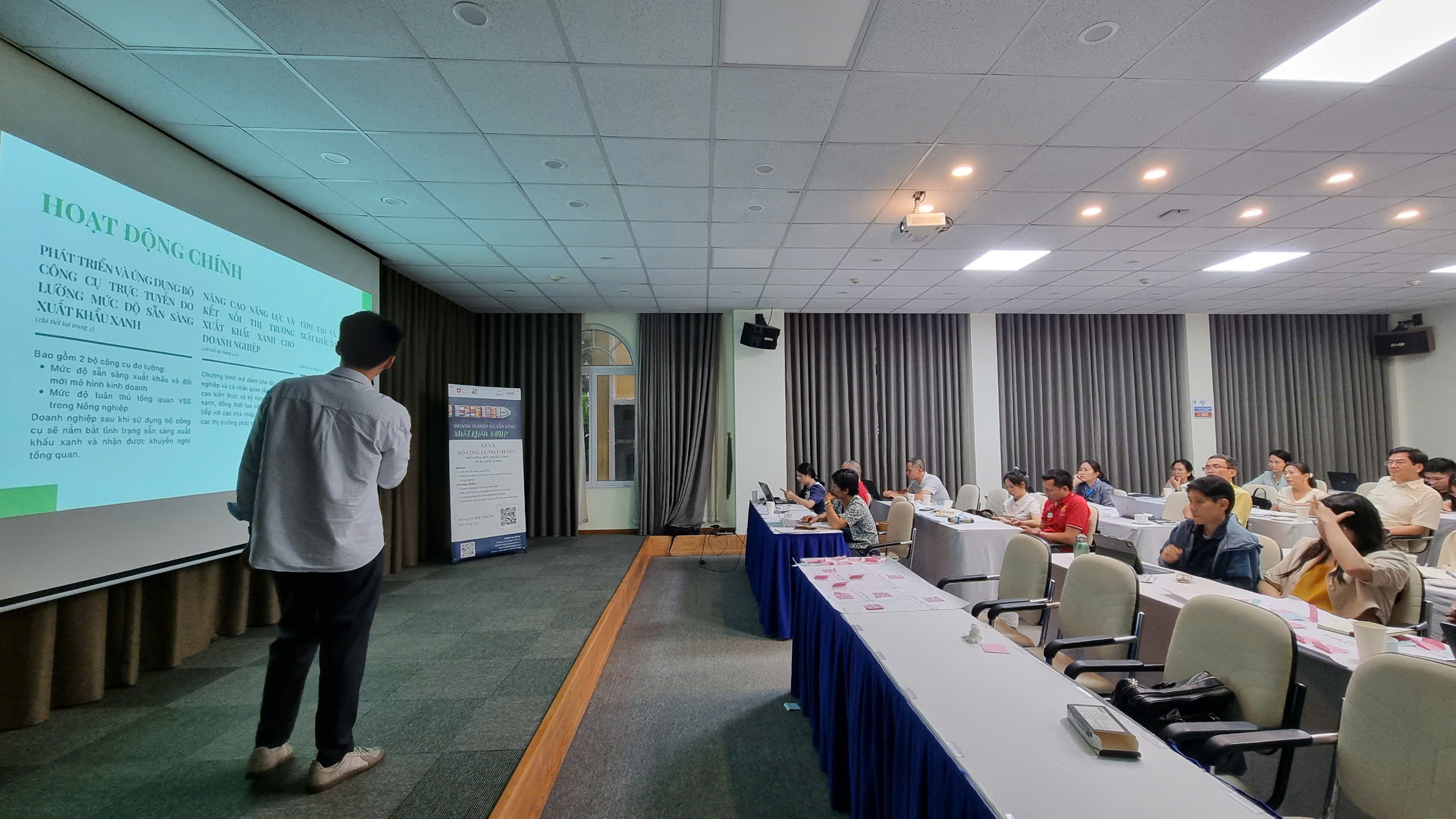
The training day began with an insightful session by expert Nguyễn Đặng Tuấn Minh, who shared practical tools to help businesses improve their business models and enhance operational efficiency.

Through tools such as the Business Model Canvas, Value Proposition Canvas, and target customer analysis, participants were guided on how to reassess the core value of their products, build suitable communication strategies, and strengthen their competitiveness.

In addition, the expert emphasized the crucial role of communication channels in positioning a green brand and introduced flexible approaches to using digital media effectively, enabling businesses to reach international markets in a cost-efficient way.


Applying VSS and Transitioning Toward Net Zero – Opportunities and Challenges

In the afternoon session, two experts — Ms. Ngô Minh Hương, Director of the Center for Development and Integration (CDI), and Mr. Nguyễn Hoàng Phương, expert at NetZero.VN — shared real-world stories about the application of Voluntary Sustainability Standards (VSS) in Vietnam’s agricultural enterprises.

Through specific case studies, particularly from their experience guiding agricultural businesses in applying the VietFarm Standard, the experts highlighted not only the economic and social benefits gained from proper implementation of sustainability standards but also the challenges faced during the process — such as a shortage of skilled personnel, limited technology, and lack of market information.

Despite these difficulties, businesses must recognize that adopting sustainability standards brings long-term benefits — not only by enhancing credibility and improving market access, but also by contributing to sustainable development for both the enterprise and the wider community. Moreover, such standards are gradually becoming mandatory requirements in major export markets like the EU, North America, and Japan.

Therefore, businesses must take proactive steps to adapt — from transforming management mindsets to embracing digital technologies — in order to measure environmental indicators, align with global trends, and strengthen their long-term competitiveness.


Lively Engagement – Clear Direction
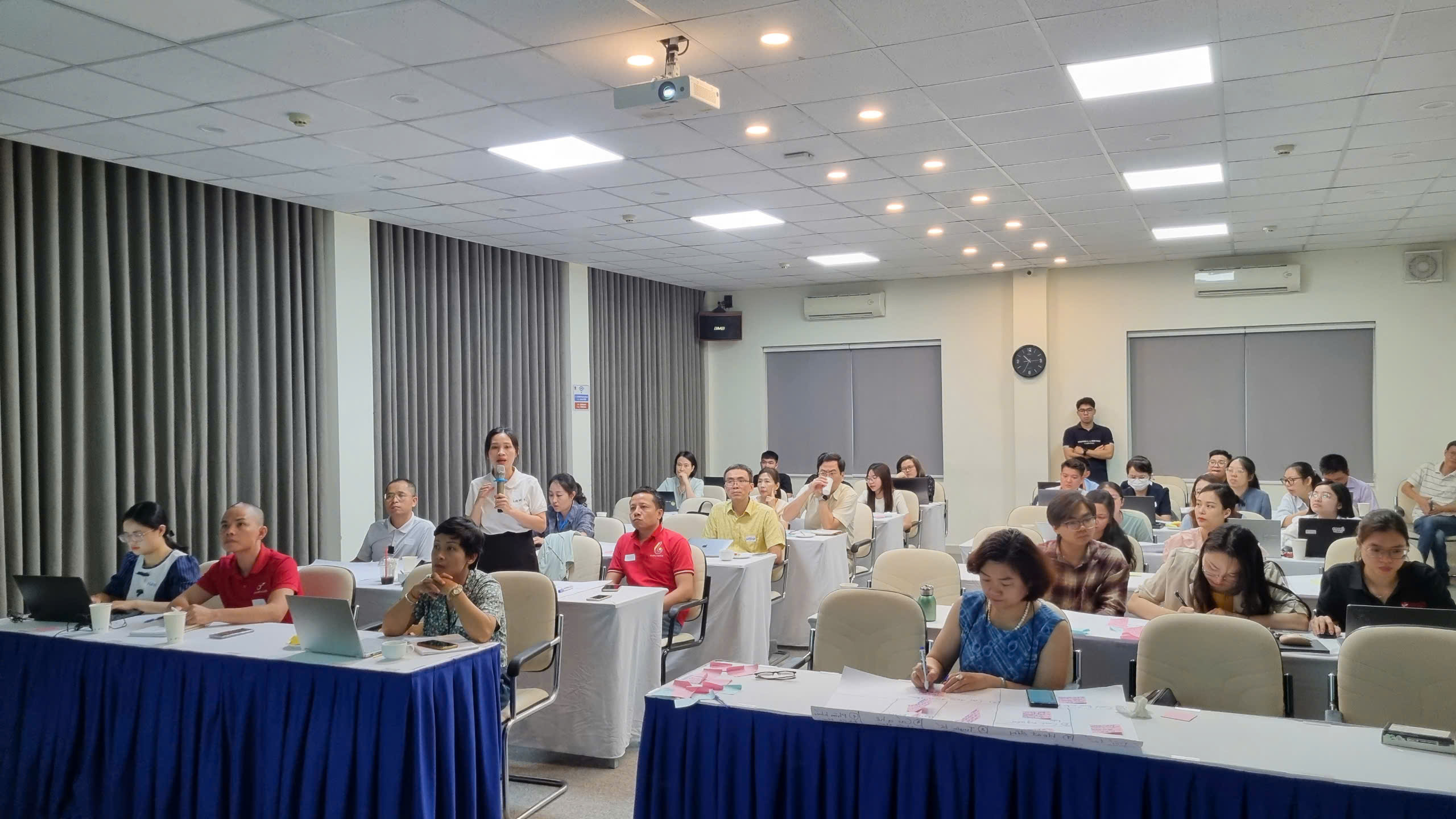
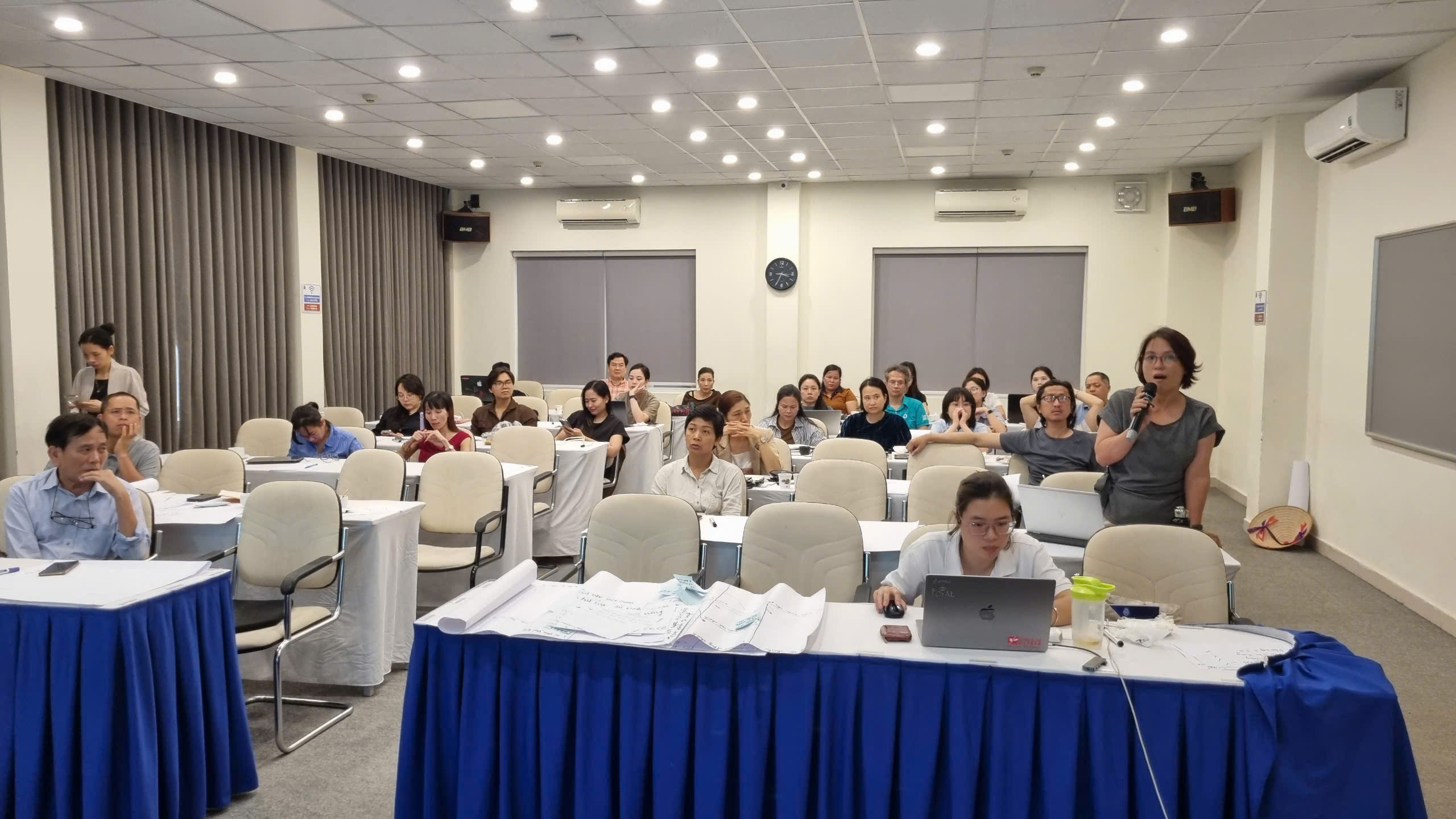
The session concluded with an engaging discussion, as many participants raised questions about the application of specific standards, the resources required for implementation, and effective ways to communicate certified green products.

Attending businesses highly appreciated the practical relevance of the content, sharing that they had gained renewed motivation, valuable knowledge, and a clearer direction to continue their journey toward greening their operations.


Information on the Next Training Session

The third session in the Green Export training series in Hanoi will take place on May 30, 2025, with the topic:
“Overview of Voluntary Sustainability Standards (VSS) in the Agricultural Sector.”
This is another valuable opportunity for businesses to further enhance their capabilities and refine their green export strategies.

Businesses can register to participate via Form

------------------- 

About GEVA:
The "Green Export Incubation and Acceleration through Voluntary Sustainability Standards (VSS)" program is a project funded by the Government of Switzerland, managed by the International Trade Centre (ITC), and implemented by KisStartup during the period from April 2025 to April 2026.

The project aims to enhance the green export capacity of Vietnamese enterprises (through the application of VSS) via a series of activities including training, consulting, incubation – acceleration, and international market linkage, in order to meet the increasingly stringent requirements of global markets.


Green Export from a Strategic Foundation: Businesses Practice Business Model Adjustment

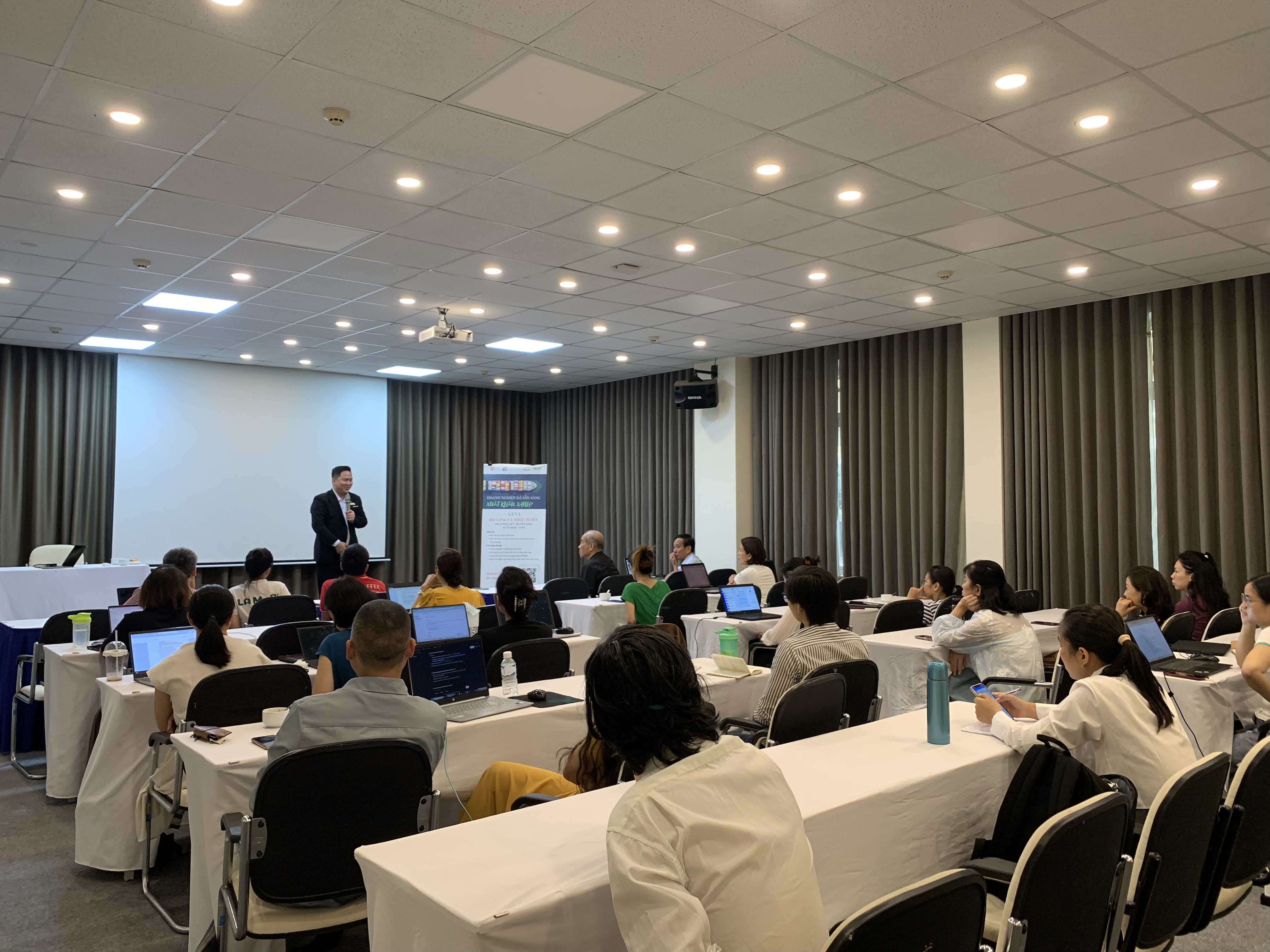
On May 23, 2025, the first training session in the Green Export training series took place in Hanoi, focusing on the theme: "Business Models for Sustainable Green Export." The event attracted the direct participation of 40 businesses representing various production and business sectors in Vietnam.

The session not only provided foundational knowledge on green export but also offered businesses the opportunity to directly practice analyzing and adjusting their business models in the classroom. This was a valuable chance for business to realign their development strategies in response to the changing international market landscape and the increasing demands for sustainability.

Business Model – A Key Factor in Green Export

In an era where consumer trends and trade policies are rapidly evolving, the business model is no longer a fixed framework. Instead, it must be designed with flexibility, environmental adaptability, and a long-term, sustainable value orientation. Several major trends are significantly impacting businesses today, including:

  • The application of technology in supply chains and logistics

  • Cross-border e-commerce

  • Sustainability and social responsibility in business

  • Shifts in trade policies and geopolitics

  • Demand for personalization and the rise of niche markets

  • Strengthening risk resilience

  • Changing consumer behaviors and target markets

A quick survey conducted during the session revealed that over 50% of participating businesses identified "sustainability and social responsibility in business" as the most influential factor shaping their business models. This result highlights a clear shift in business mindset — from short-term goals toward the creation of long-term, responsible value.

Practicing Business Model Adjustment

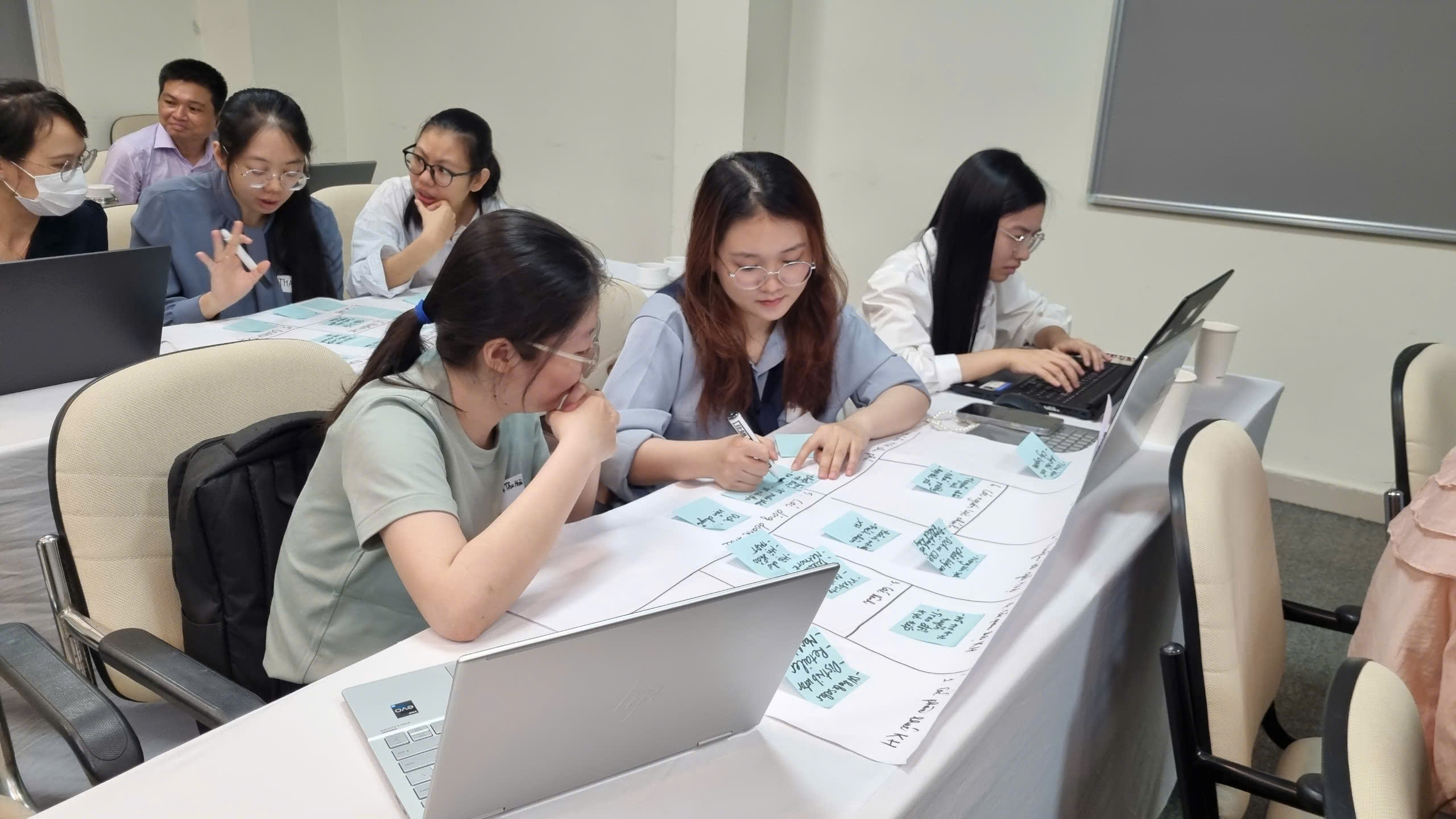
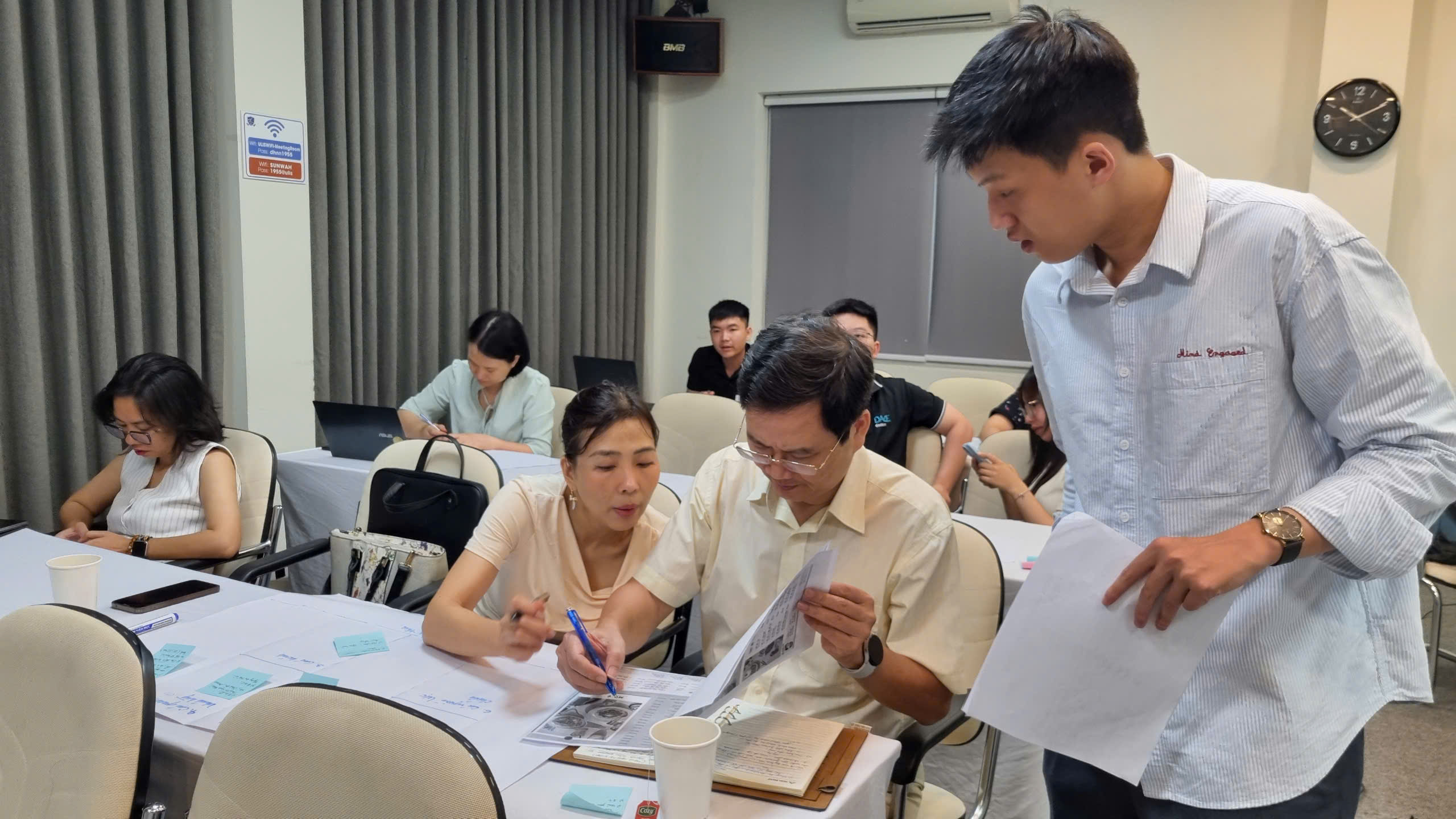
Throughout the training session, program experts guided businesses in analyzing their current business models, identifying weaknesses, and exploring opportunities for improvement to meet the demands of green export markets. Participants worked together to apply the Business Model Canvas tool and proposed specific adjustments right in the classroom.

These initial ideas will be further developed in the upcoming training sessions, with continued support from the project’s expert team, aiming to gradually build business models that better align with the stringent requirements of international markets.
Next Training Session Information

The second training session will take place on May 28, 2025, with the topic:
"Analyzing Measurement Results and Adjusting Business Models."
This will be another opportunity for businesses to continue enhancing their capabilities and refining their green export strategies.

Businesses can register to participate via: Form

------------------- 

About GEVA: The " Incubation and Acceleration Green Export through Voluntary Sustainability Standards (VSS)" program is a project funded by the Swiss Government, managed by the International Trade Centre (ITC), and operated by KisStartup during the period from April 2025 to April 2026.

The project aims to enhance the green export capacity of Vietnamese enterprises through the application of VSS. This will be achieved via a series of activities including training, consulting, incubation – acceleration, and international market connection, in order to meet the increasingly stringent requirements of global markets.

.

Decoding International Sustainability Standards – Vietnamese Enterprises Map Out Green Export Strategies

TRAINING SESSION 3 – GREEN EXPORT PROGRAM IN HANOI
Topic: Overview of Voluntary Sustainability Standards (VSS) in Agriculture

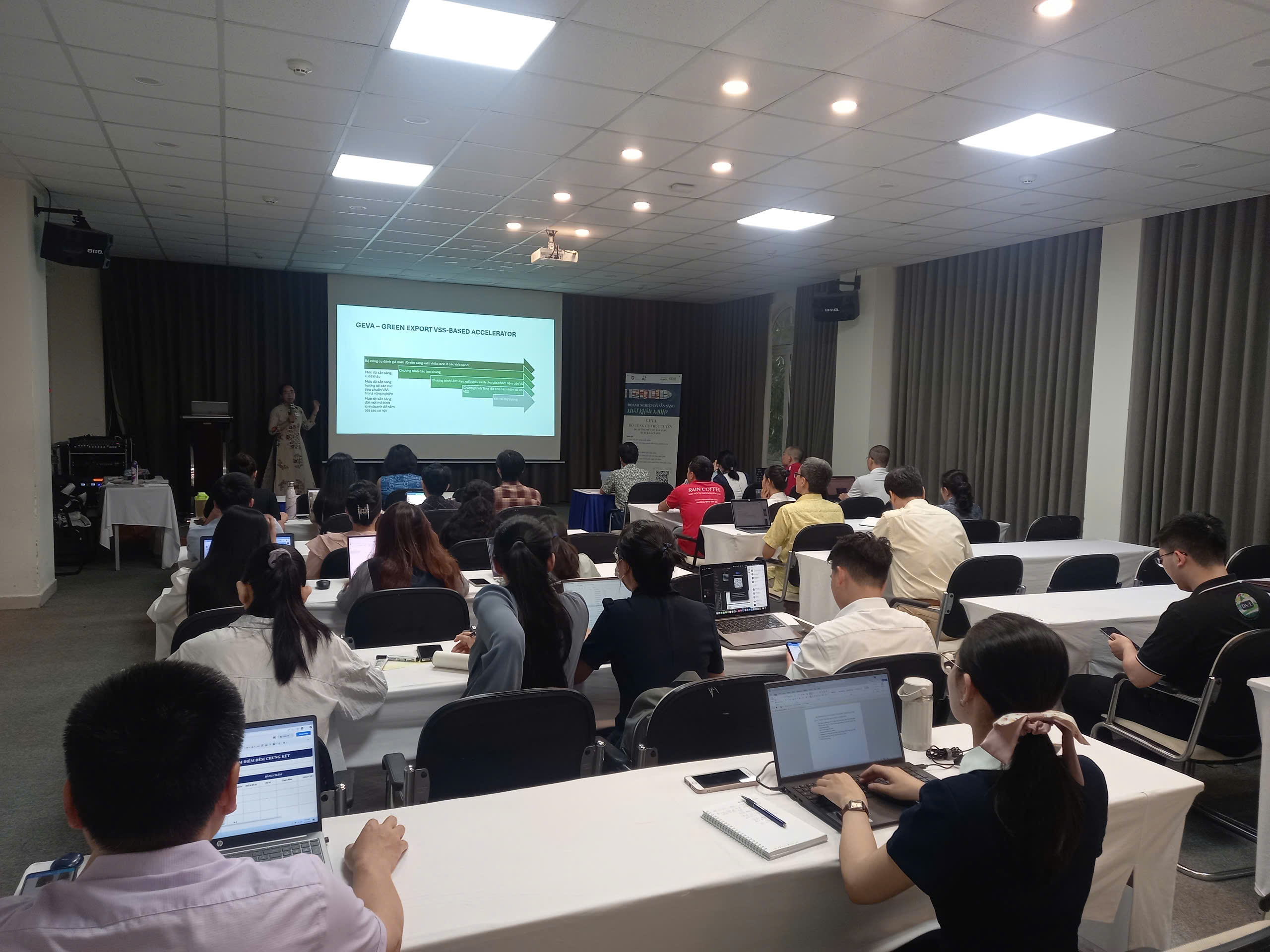
As part of the Green Export Program – GEVA Project, the third training session took place with the active participation of businesses in the agricultural sector. The program aimed to provide foundational knowledge and practical skills to help enterprises effectively approach and comply with Voluntary Sustainability Standards (VSS), thereby enhancing their competitiveness and expanding their export markets.

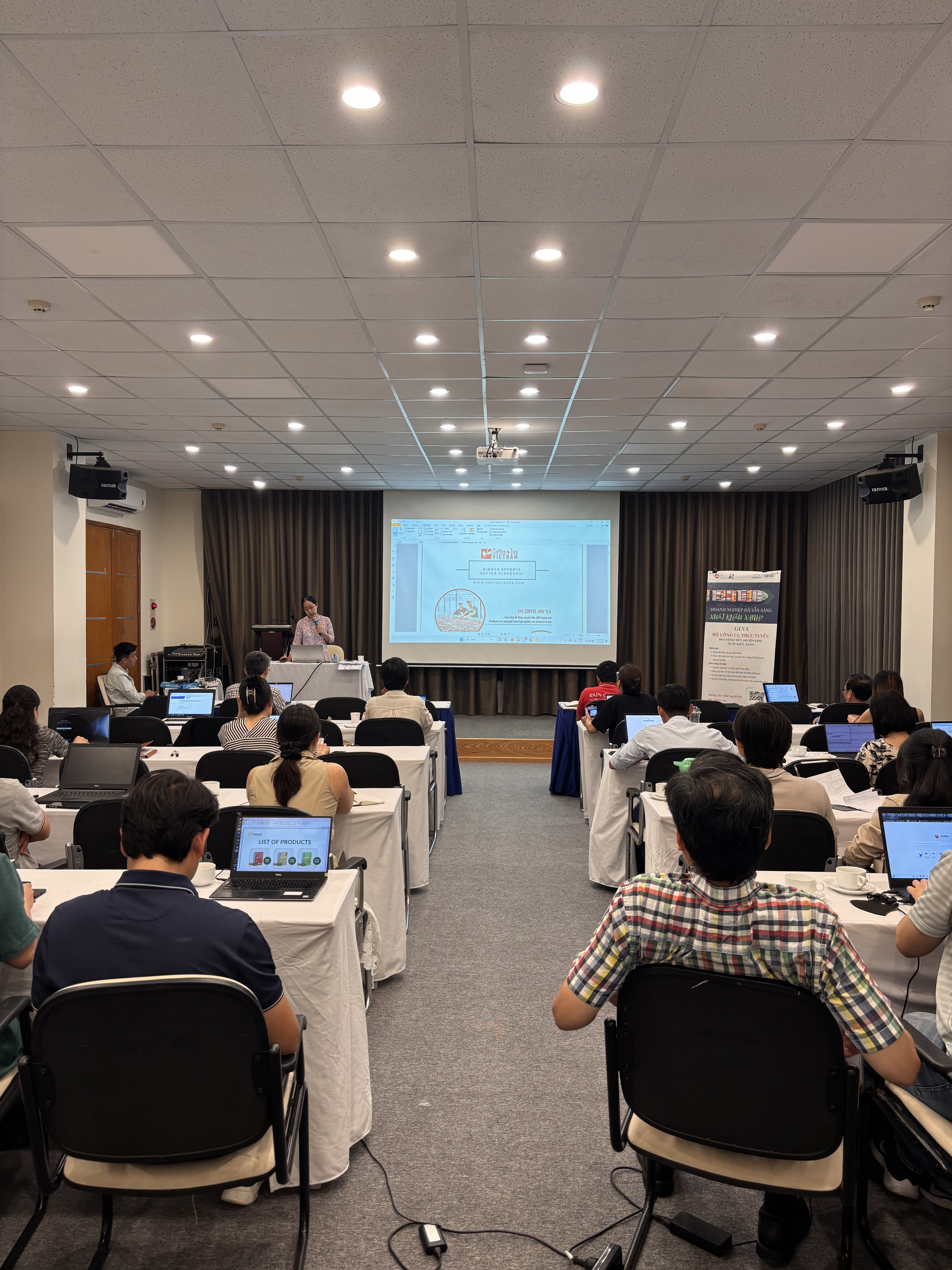
The speaker of the training session was Mr. Bùi Khánh Tùng, Deputy Technical Director of CODAS, a seasoned expert in sustainability certification and consulting. His presentation focused on clarifying the concepts, roles, and classifications of Voluntary Sustainability Standards (VSS), while also providing guidance on how to select appropriate standards based on specific sectors and target markets.

A key highlight of the session was the strategic planning group exercise by product category. Businesses were divided into three main groups to discuss and develop roadmaps for approaching international standards:

  • Coffee Group: Developed a compliance plan for the Rainforest Alliance Standard

  • Nuts Group (cashew, cocoa, etc.): Approached the USDA Organic Standard

  • Spices Group (cinnamon, star anise, pepper, etc.): Analyzed and applied the EU Organic Farming Standard

The groups worked collaboratively to assess their strengths and weaknesses and began outlining actionable plans aimed at meeting international market requirements. The expert provided hands-on support throughout the exercise, offering detailed guidance on supply chain analysis, prioritization of criteria, and forming practical compliance strategies tailored to each business.

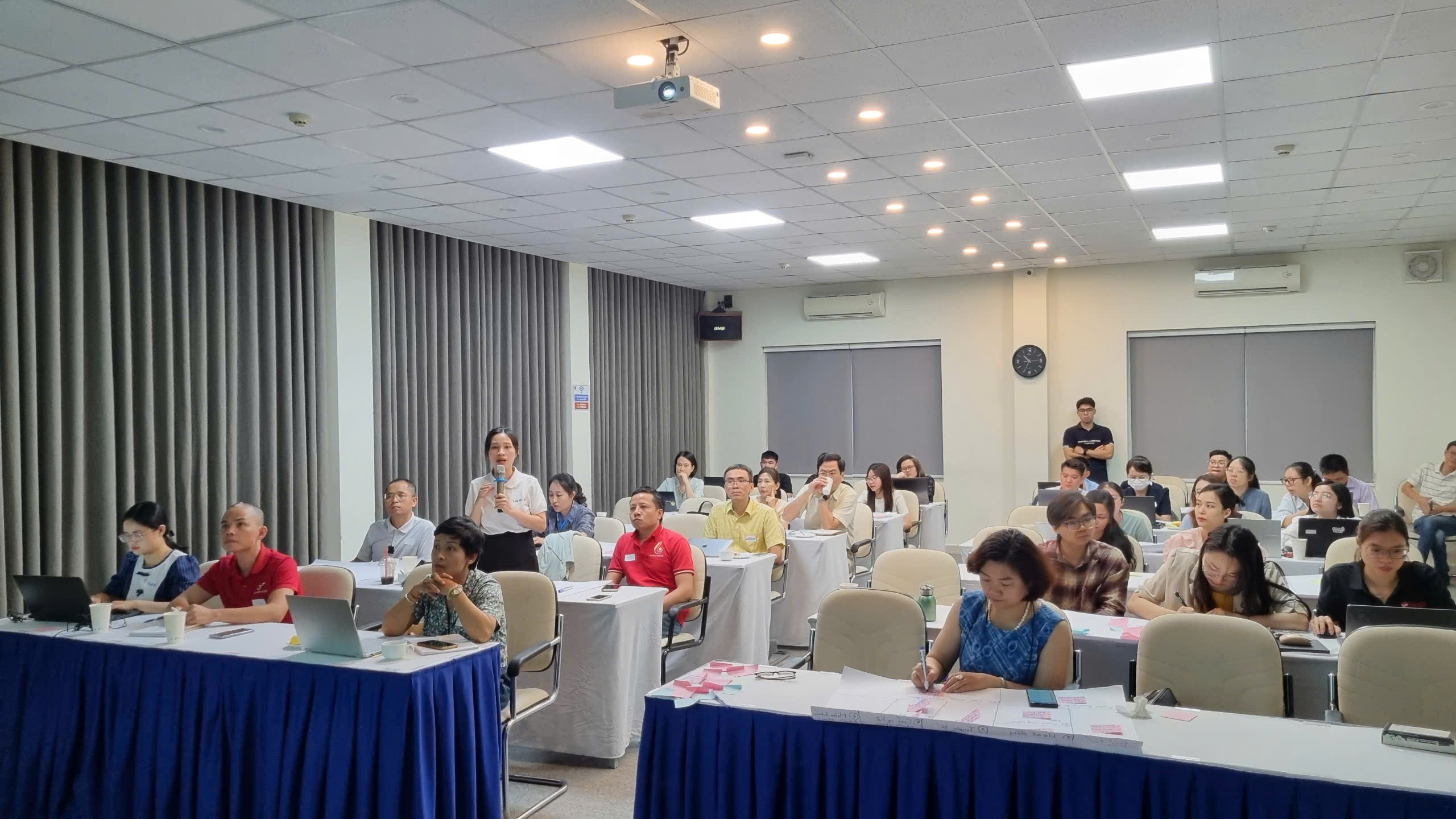
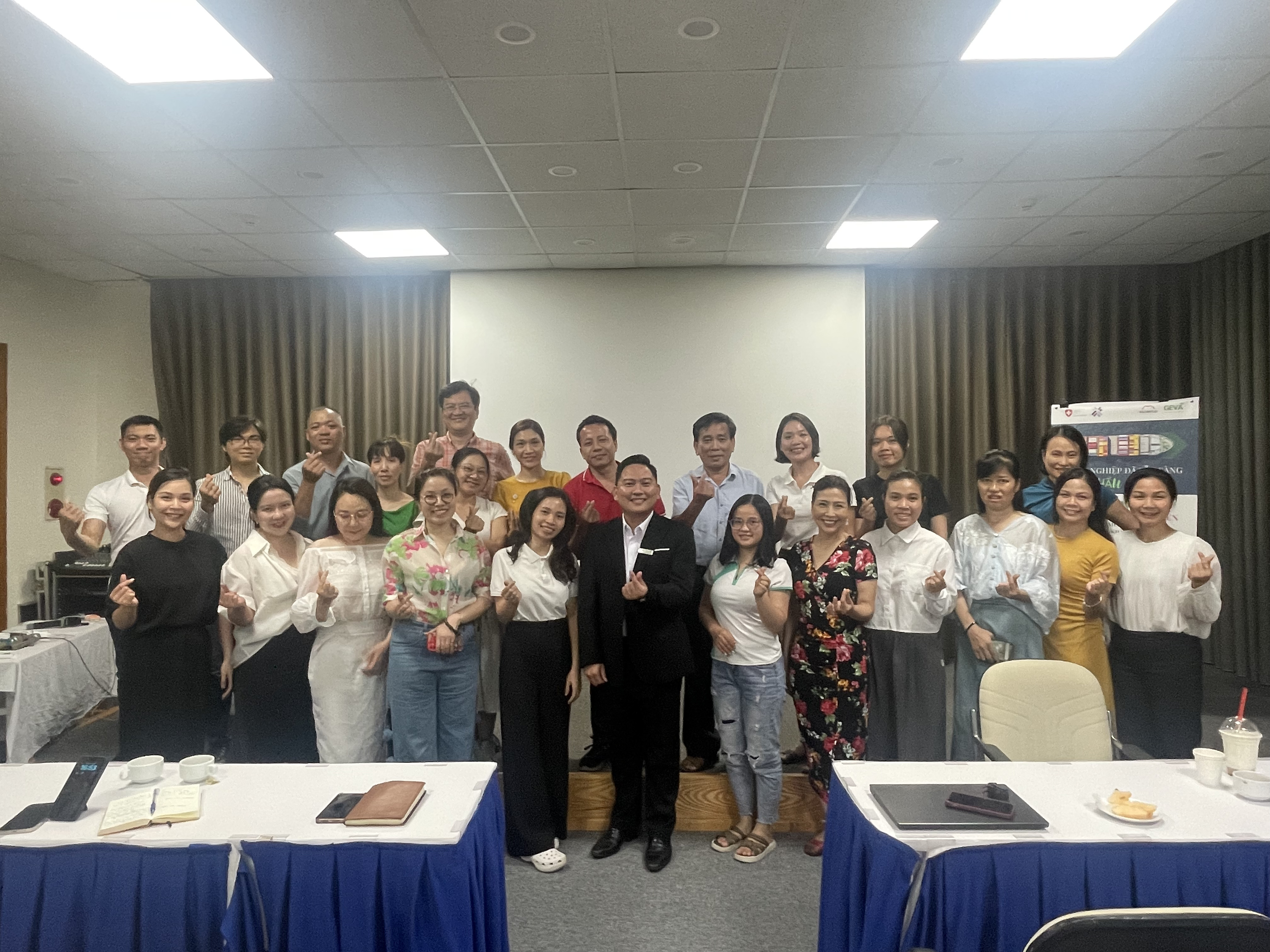
The training session took place in a dynamic and open atmosphere, with discussions focused on real-world challenges faced by the businesses. This reflects the growing demand and strong interest among export-oriented enterprises in meeting the rising global expectations for “green – clean – transparent” products.

The GEVA Project – Green Export Incubation and Acceleration Program through Voluntary Sustainability Standards (VSS) – is an initiative funded by the Government of Switzerland, managed by the International Trade Centre (ITC), and operated by KisStartup JSC during the period from April 2025 to April 2026. The project aims to support Vietnamese businesses in strengthening their green export capabilities through training, consulting, incubation – acceleration, and international market access.

Register to join the GEVA Project and its training programs atLINK

Vietnamese Businesses and the Green Transition in Export Strategies

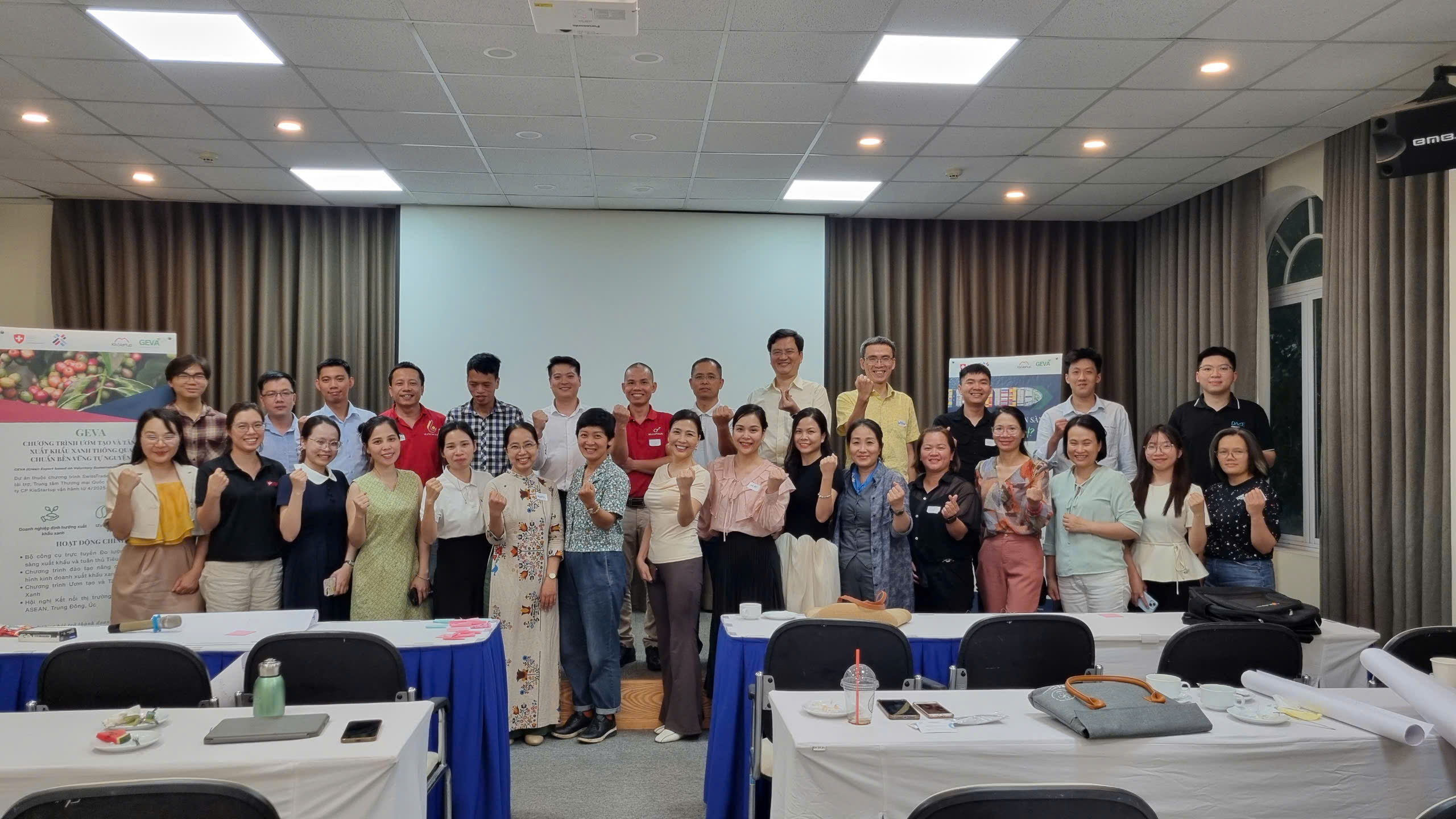
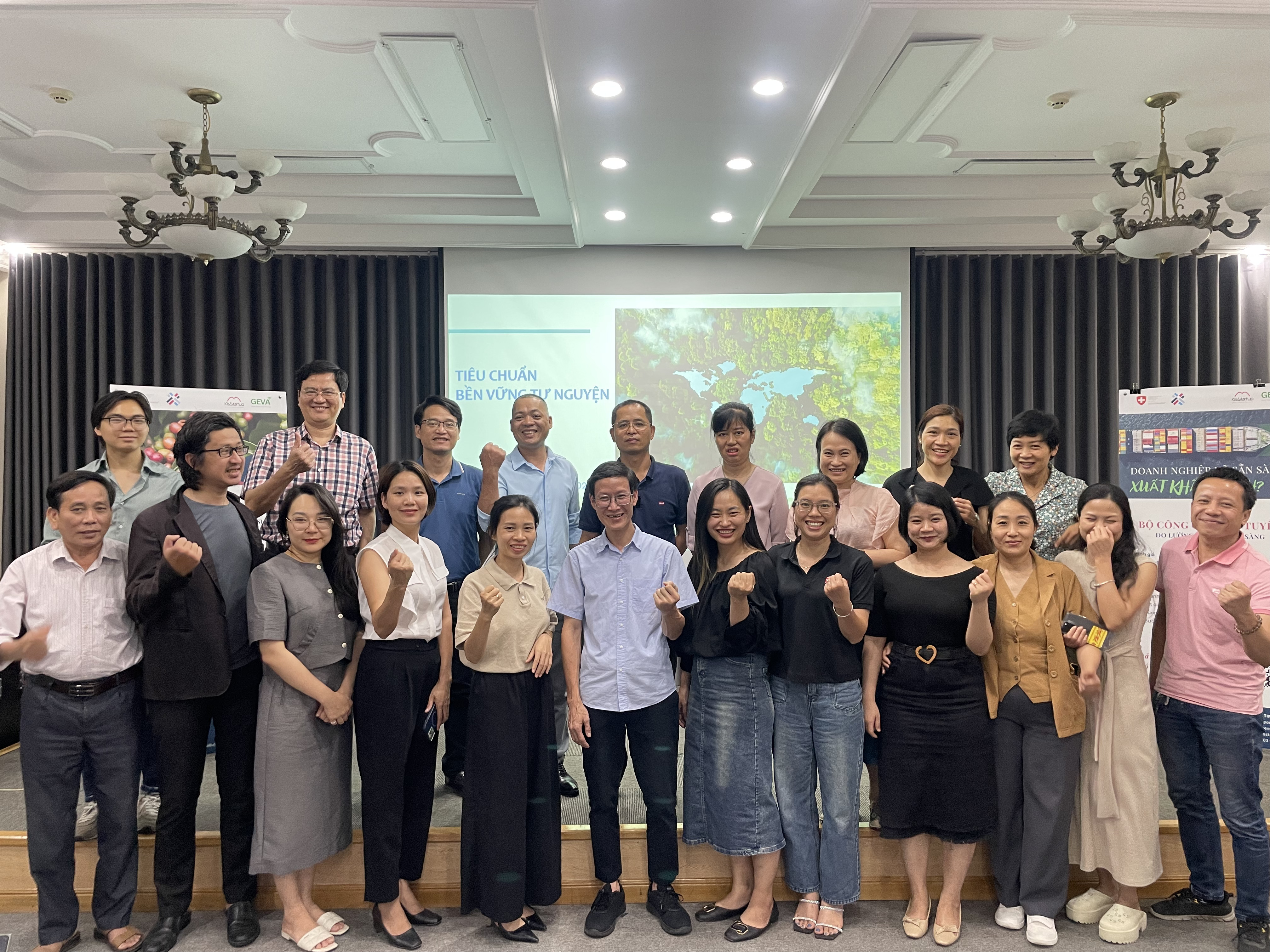
On June 5, 2025, the fifth training session in the "Green Export" program series officially took place, marking the final stage of the journey to support businesses in developing a mindset, capacity, and orientation toward sustainable access to international markets.
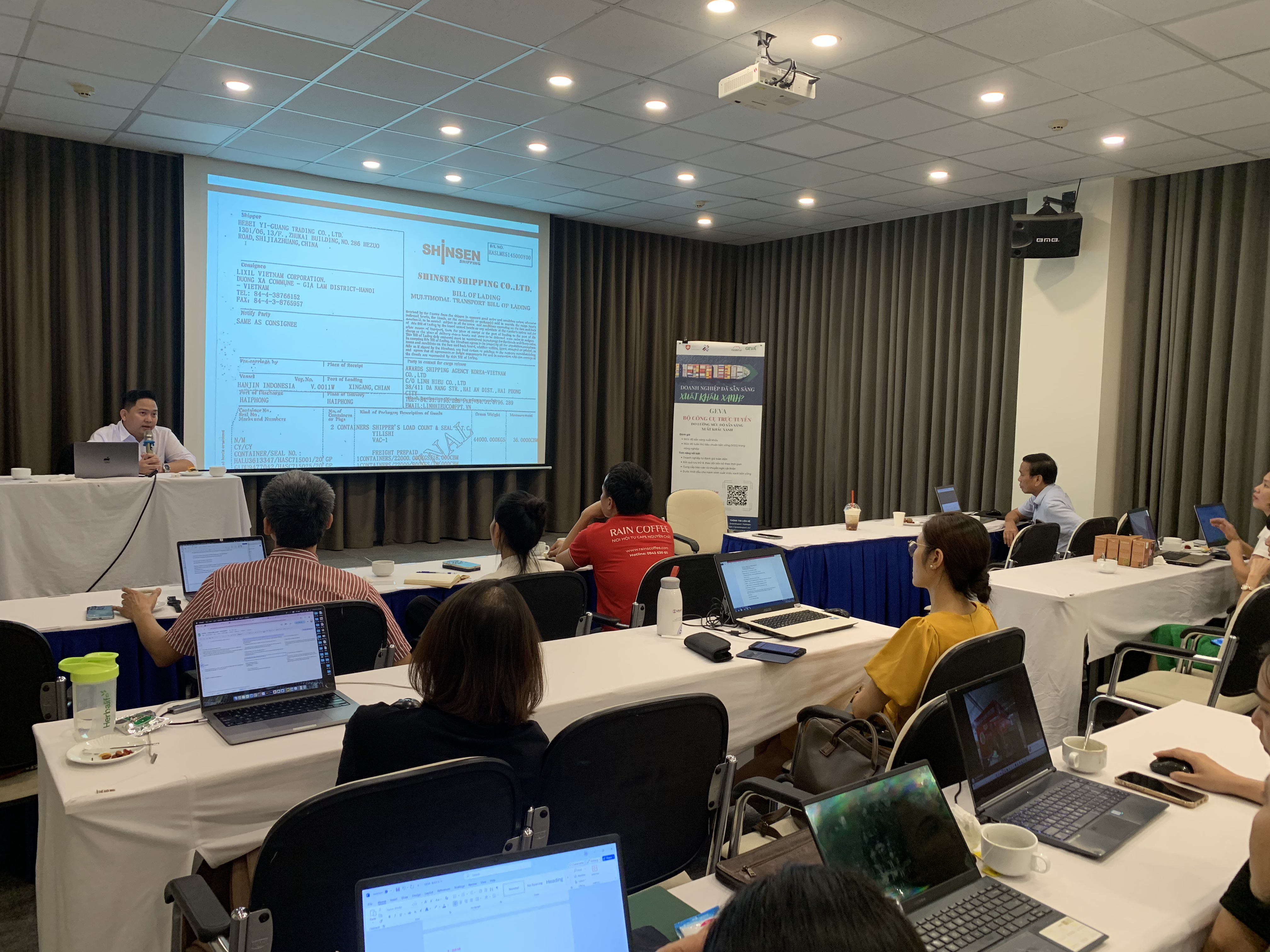
The session was led by speaker Nguyễn Đặng Tuấn Minh and attended by small and medium-sized enterprises (SMEs) operating in the fields of agricultural products, food, and natural ingredients. Together, they reviewed and evaluated the green export strategies that had been developed over the previous four sessions.


Strategy Consolidation & Core Value Definition
The first part of the program focused on helping businesses review their entire green export journey — from selecting target markets and assessing their ability to meet international standards, to building a brand story aligned with green consumer trends.

A key highlight of the session was redefining the Core Value Proposition — enabling businesses to clearly identify their most distinctive, compelling, and market-aligned values. This is a practical step that lays a solid foundation for product development, communication strategies, and brand positioning in the next phase.


Sales Pitch – Doanh nghiệp thực hành giới thiệu sản phẩm

The second part of the program featured a sales pitch activity, where businesses took turns to briefly present their products, business models, and export orientations.

Each presentation lasted only a few minutes, requiring businesses to deliver a clear, concise, and focused message while demonstrating their export potential and commitment to sustainable development. The participating businesses showed notable improvement in storytelling, identifying market needs, and articulating their “green” value more convincingly.

Feedback from both the expert and fellow participating businesses provided practical suggestions, helping companies refine not only the content but also their presentation skills — a crucial factor when approaching international buyers, seeking investment, or forming future partnerships.


Next Steps: Incubation – Acceleration – Expansion

With the training series concluded, the program will move on to the interview and selection phase for businesses to join the Incubation and Acceleration programs. These activities will begin in Hanoi, aiming to identify enterprises with strong potential and a long-term, methodical commitment to pursuing green export strategies.

At the same time, the "Green Export" training program will also be rolled out in Ho Chi Minh City in the near future, expanding access to knowledge and tools for businesses in the southern region.


The Green Journey Continues

After five training sessions, it is not only knowledge but also the mindset and approach of businesses that have undergone significant transformation. The program has helped lay a foundation for enterprises to gradually build sustainable export strategies, enhance their competitiveness, and expand access to international markets that increasingly prioritize environmentally friendly, fair, and transparent products.

Doanh nghiệp Việt và Bước chuyển “xanh” trong chiến lược xuất khẩu

Ngày 5/6/2025, buổi đào tạo thứ 5 trong chuỗi chương trình “Xuất khẩu xanh” đã chính thức diễn ra, đánh dấu chặng cuối của quá trình đồng hành cùng doanh nghiệp trong việc xây dựng tư duy, năng lực và định hướng tiếp cận thị trường quốc tế theo hướng bền vững.

Buổi học được dẫn dắt bởi diễn giả Nguyễn Đặng Tuấn Minh, với sự tham gia của các doanh nghiệp vừa và nhỏ hoạt động trong lĩnh vực nông sản, thực phẩm, nguyên liệu tự nhiên... đã cùng nhau tổng hợp, đánh giá lại chiến lược xuất khẩu xanh đã được xây dựng qua 4 buổi học trước đó.


Tổng hợp chiến lược & Định hình giá trị cốt lõi

Phần đầu chương trình tập trung vào việc hỗ trợ doanh nghiệp nhìn lại toàn bộ lộ trình xuất khẩu xanh: từ lựa chọn thị trường mục tiêu, đánh giá khả năng đáp ứng các tiêu chuẩn quốc tế, đến xây dựng câu chuyện thương hiệu phù hợp với xu hướng tiêu dùng xanh.

Nội dung quan trọng trong buổi học là định hình lại Tuyên bố Giá trị Cốt lõi (Core Value Proposition) – giúp doanh nghiệp xác định rõ đâu là giá trị nổi bật, khác biệt và phù hợp với kỳ vọng của thị trường xuất khẩu. Đây là bước đi thiết thực, giúp doanh nghiệp tạo nền tảng vững chắc cho việc phát triển sản phẩm, truyền thông và định vị thương hiệu trong giai đoạn tiếp theo.


Sales Pitch – Doanh nghiệp thực hành giới thiệu sản phẩm

Phần hai của chương trình là hoạt động sales pitch – nơi các doanh nghiệp lần lượt trình bày ngắn gọn về sản phẩm, mô hình kinh doanh và định hướng xuất khẩu của mình.

Mỗi phần trình bày chỉ kéo dài vài phút, yêu cầu doanh nghiệp truyền tải được thông điệp rõ ràng, dễ hiểu, đúng trọng tâm, đồng thời thể hiện được tiềm năng xuất khẩu và cam kết với phát triển bền vững. Các doanh nghiệp đã thể hiện sự tiến bộ rõ rệt trong cách kể câu chuyện sản phẩm, cách xác định nhu cầu thị trường và thể hiện giá trị “xanh” một cách thuyết phục hơn.

Phản hồi từ chuyên gia và chính các doanh nghiệp cùng tham dự là những góp ý thiết thực, giúp doanh nghiệp hoàn thiện không chỉ phần nội dung mà còn cả kỹ năng trình bày – yếu tố quan trọng khi tiếp cận nhà mua hàng quốc tế hoặc gọi vốn, hợp tác trong tương lai.


Bước tiếp theo: Ươm tạo – Tăng tốc – Mở rộng

Khép lại chuỗi đào tạo, chương trình sẽ tiếp tục bước vào giai đoạn phỏng vấn và lựa chọn doanh nghiệp tham gia chương trình Ươm tạo và Tăng tốc. Các hoạt động này sẽ bắt đầu tại Hà Nội, với mục tiêu lựa chọn những đơn vị có tiềm năng và cam kết theo đuổi chiến lược xuất khẩu xanh một cách bài bản và dài hạn.

Song song đó, chương trình đào tạo “Xuất khẩu xanh” cũng sẽ tiếp tục được triển khai tại TP. Hồ Chí Minh trong thời gian tới, mở rộng cơ hội tiếp cận kiến thức và công cụ cho các doanh nghiệp phía Nam.


Hành trình xanh vẫn đang tiếp diễn

Sau 5 buổi đào tạo, không chỉ kiến thức, mà chính tư duy và cách tiếp cận của doanh nghiệp đã có những thay đổi rõ rệt. Chương trình đã góp phần tạo nền tảng cho các doanh nghiệp từng bước xây dựng chiến lược xuất khẩu bền vững, tăng khả năng cạnh tranh, đồng thời mở rộng cơ hội tiếp cận thị trường quốc tế đang ngày càng ưu tiên sản phẩm thân thiện với môi trường, công bằng và minh bạch.

Businesses learn hard lessons in time to avoid costly export missteps

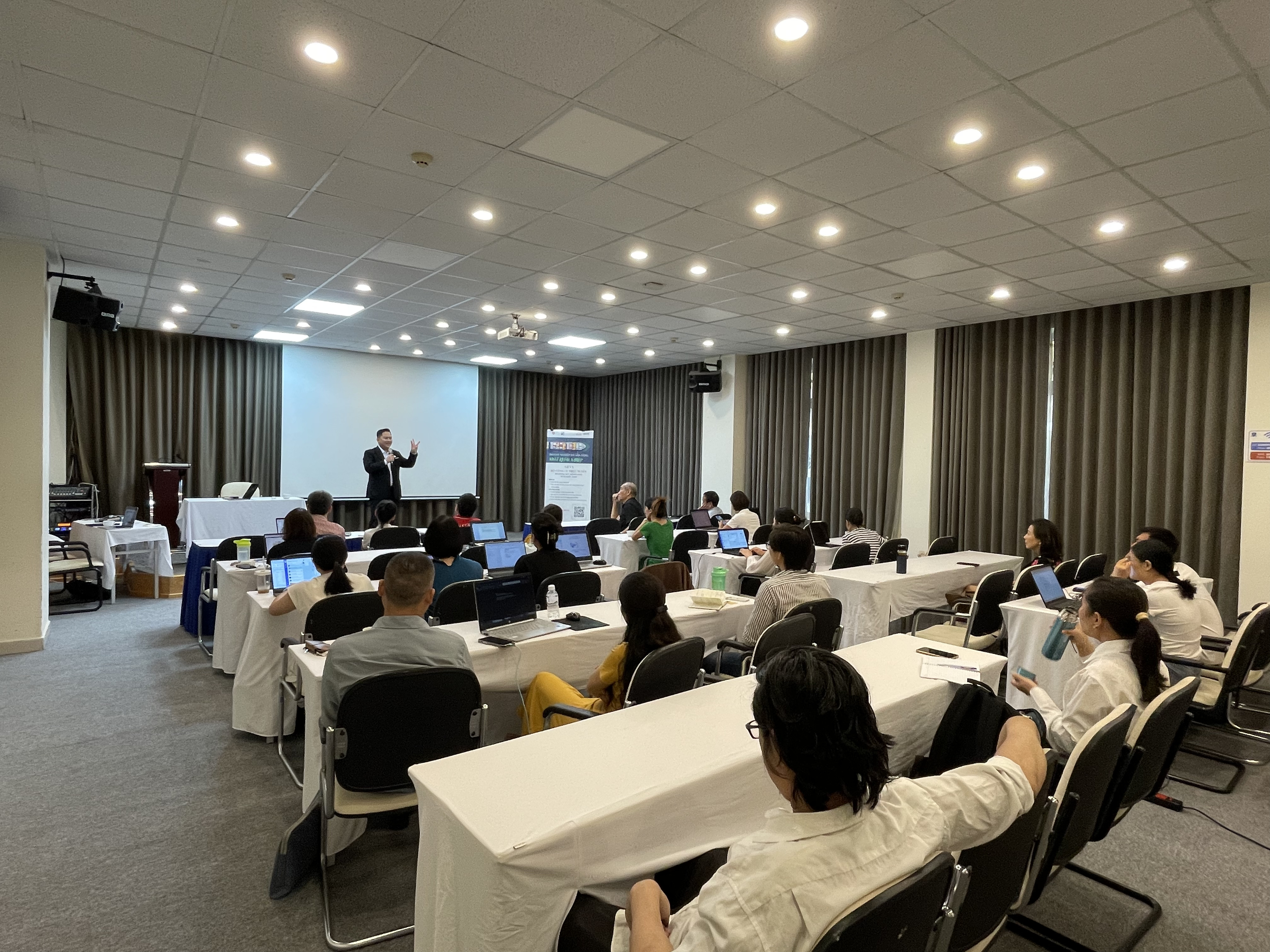
As part of the Green Export Training Program under the GEVA project, the fourth session took place with a particularly practical focus, centered on the critical stage of the export journey: when businesses are ready with their products and begin to enter international markets.
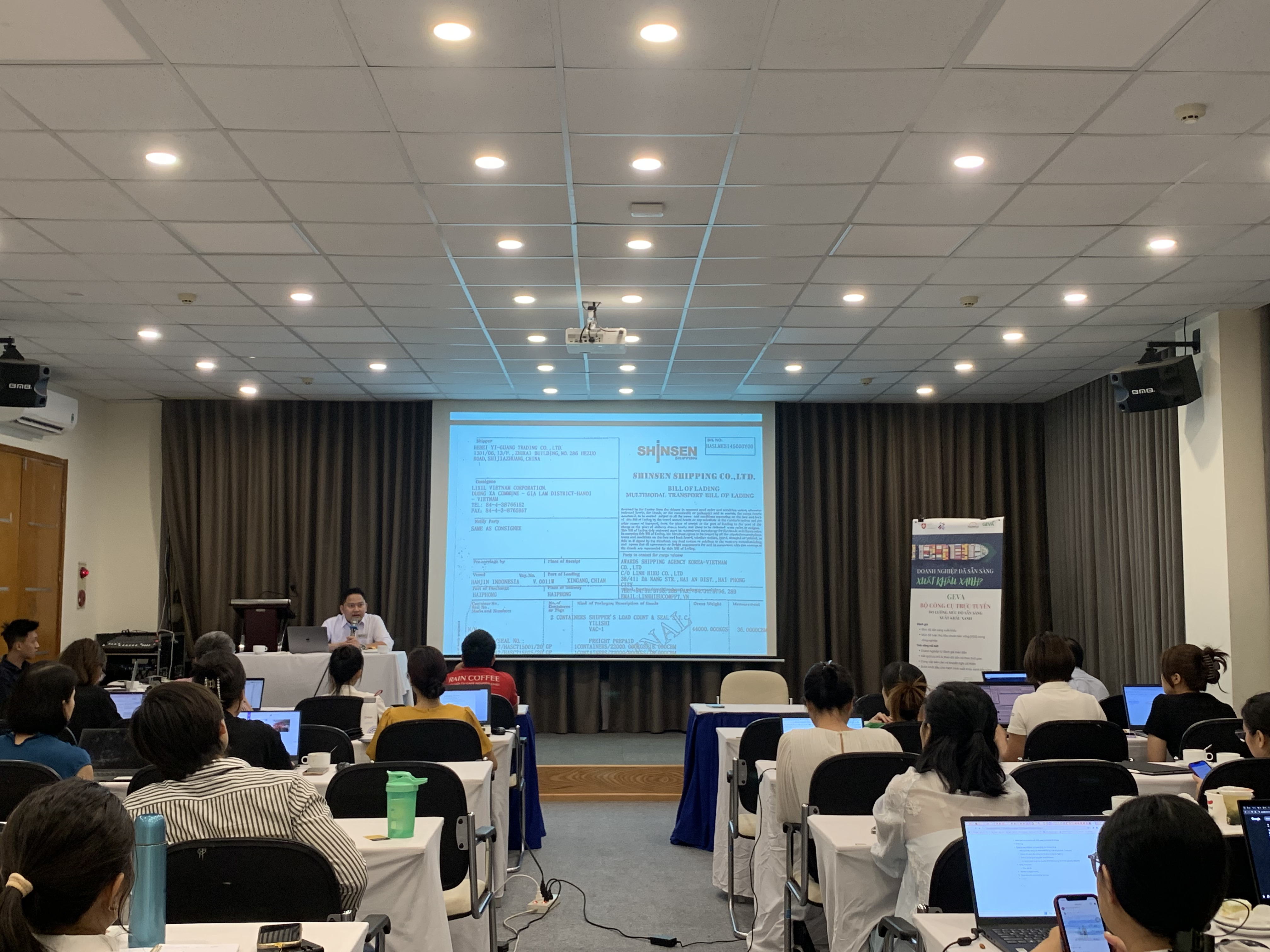
While the first three sessions focused on foundational topics — building business models, analyzing market data, and complying with sustainable standards (VSS) — the fourth session marked the point where businesses start to engage with the realities of exporting: when products are ready, and the challenge lies in getting them across borders to reach the global market.


Valuable real-world insights from insiders

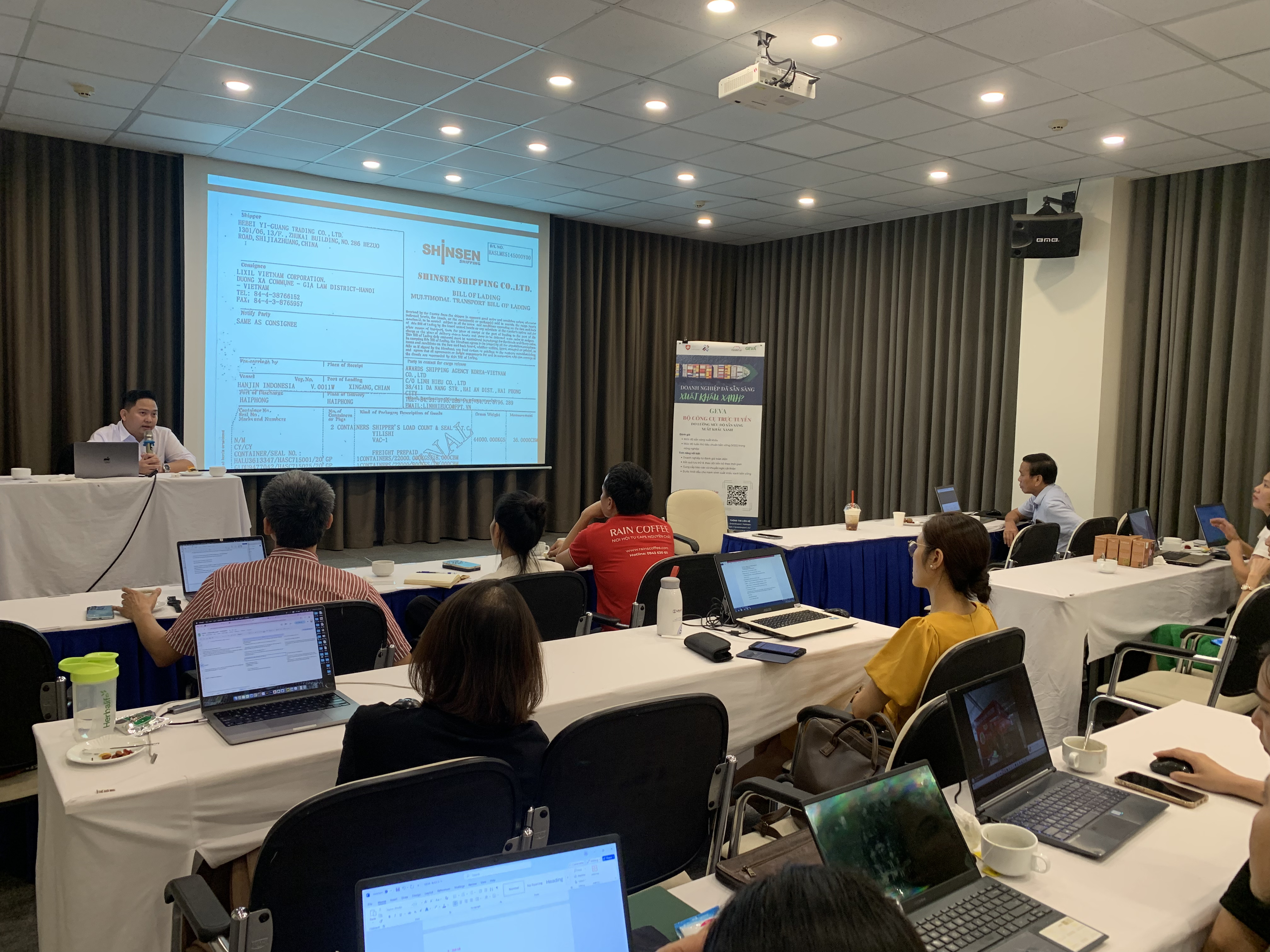
The session became even more engaging thanks to a presentation by lecturer Lê Sài Gòn — an expert with many years of hands-on experience in the agricultural export industry.

He not only provided technical knowledge but also shared numerous real-life stories from his own professional journey: instances of financial losses caused by choosing the wrong partners, poorly drafted contracts, lack of understanding of logistics, or the technical barriers of export markets.

Each story served as a cautionary tale, helping businesses clearly identify risks before paying the price in money or reputation.


A dynamic and open learning atmosphere

The session went beyond simply acquiring knowledge — it also saw the active participation of businesses. Many participants openly shared the challenges and mistakes they had encountered in their export journeys — from approaching international customers to difficulties in meeting standards and conducting cross-border transactions.

This created a dynamic, insightful, and highly connected learning environment, where participants learned from each other's experiences and collectively built more practical export capabilities.


Preparing for the Final Step: A Complete Green Export Strategy

The fourth training session was seen as an “eye-opening” experience — helping businesses gain a clearer understanding of what awaits them beyond the doors of the international market.

The program will conclude with the fifth and final session taking place tomorrow, aimed at consolidating all the knowledge gained and guiding businesses in developing a comprehensive, well-structured Green Export Strategy aligned with their actual capabilities.


The GEVA Project — Green Export Incubation and Acceleration through Voluntary Sustainability Standards (VSS) — is an initiative funded by the Swiss Government, managed by the International Trade Centre (ITC), and operated by KisStartup JSC during the period from April 2025 to April 2026. The project aims to support Vietnamese businesses in enhancing their green export capabilities through training, consulting, incubation and acceleration, and international market connections.

Register to participate in the GEVA Project and its training programs at LINK

Doanh nghiệp “tỉnh ngộ” trước khi mất tiền vì sai lầm khi xuất khẩu

Trong khuôn khổ Chương trình đào tạo Xuất khẩu xanh thuộc dự án GEVA, buổi học thứ tư đã diễn ra với nội dung đặc biệt thiết thực, tập trung vào giai đoạn mang tính quyết định trong hành trình xuất khẩu: khi doanh nghiệp đã sẵn sàng với sản phẩm và bắt đầu bước ra thị trường quốc tế.

Nếu ba buổi đầu tiên tập trung vào nền tảng gồm: xây dựng mô hình kinh doanh, phân tích dữ liệu thị trường và tuân thủ các tiêu chuẩn bền vững (VSS), thì buổi thứ tư chính là lúc các doanh nghiệp bắt đầu tiếp cận thực tế xuất khẩu – khi sản phẩm đã sẵn sàng, và thử thách nằm ở việc đưa hàng vượt qua biên giới để tiếp cận thị trường toàn cầu.


Chia sẻ thực tế “đắt giá” từ người trong cuộc

Nội dung buổi học càng trở nên sống động nhờ phần trình bày của giảng viên Lê Sài Gòn – một chuyên gia với nhiều năm kinh nghiệm thực chiến trong ngành xuất khẩu nông sản.

Thầy không chỉ cung cấp kiến thức chuyên môn, mà còn chia sẻ nhiều câu chuyện thực tế từ chính hành trình làm nghề: những lần “mất tiền, mất của” vì chọn sai đối tác, vì hợp đồng lỏng lẻo, vì thiếu hiểu biết về logistics hay rào cản kỹ thuật của thị trường xuất khẩu.

Mỗi câu chuyện là một lời cảnh báo, giúp doanh nghiệp nhận diện rõ rủi ro trước khi phải trả giá bằng tiền bạc hoặc uy tín.


Không khí học tập đa chiều và cởi mở

Không chỉ dừng ở việc tiếp thu kiến thức, buổi học còn ghi nhận sự tham gia tích cực của các doanh nghiệp. Nhiều người đã mạnh dạn chia sẻ chính những vướng mắc và sai lầm họ từng gặp trong quá trình xuất khẩu – từ cách tiếp cận khách hàng quốc tế, đến khó khăn trong đáp ứng tiêu chuẩn và thực hiện giao dịch xuyên biên giới.

Không khí lớp học vì thế trở nên đa chiều, sâu sắc và đầy kết nối, khi mỗi người học từ câu chuyện của người khác, và cùng nhau xây dựng năng lực xuất khẩu thực chất hơn.


Chuẩn bị cho bước cuối: Chiến lược xuất khẩu xanh hoàn chỉnh

Buổi đào tạo thứ tư được đánh giá là phiên học “thức tỉnh” – giúp doanh nghiệp hiểu rõ hơn về những gì đang chờ đợi sau cánh cửa thị trường quốc tế.

Chương trình sẽ kết thúc bằng buổi đào tạo thứ năm diễn ra vào ngày mai, với mục tiêu tổng hợp toàn bộ kiến thức đã học và hướng dẫn doanh nghiệp xây dựng chiến lược xuất khẩu xanh tổng thể, bài bản và phù hợp với năng lực thực tế.


Dự án GEVA – Chương trình Ươm tạo và Tăng tốc Xuất khẩu Xanh thông qua Tiêu chuẩn bền vững tự nguyện (VSS) là sáng kiến do Chính phủ Thụy Sĩ tài trợ, Trung tâm Thương mại Quốc tế (ITC) quản lý, và CTCP KisStartup vận hành trong giai đoạn 4/2025 – 4/2026. Dự án hướng tới hỗ trợ doanh nghiệp Việt Nam nâng cao năng lực xuất khẩu xanh, thông qua đào tạo, tư vấn, ươm tạo – tăng tốc và kết nối thị trường quốc tế.

Đăng ký tham gia Dự án GEVA và các chương trình đào tạo tại LINK

Giải mã tiêu chuẩn bền vững quốc tế – Doanh nghiệp Việt vạch chiến lược xuất khẩu xanh

BUỔI ĐÀO TẠO SỐ 3 – CHƯƠNG TRÌNH XUẤT KHẨU XANH TẠI HÀ NỘI
Chủ đề: Tổng quan về Tiêu chuẩn bền vững tự nguyện (VSS) trong Nông nghiệp


Trong khuôn khổ Chương trình Xuất khẩu xanh – Dự án GEVA, buổi đào tạo số 3 đã diễn ra với sự tham gia tích cực của các doanh nghiệp trong lĩnh vực nông nghiệp. Chương trình nhằm trang bị kiến thức nền tảng và kỹ năng thực hành giúp doanh nghiệp sẵn sàng tiếp cận và tuân thủ các tiêu chuẩn bền vững tự nguyện (VSS), từ đó nâng cao năng lực cạnh tranh và phát triển thị trường xuất khẩu.

Diễn giả của buổi đào tạo là chuyên gia Bùi Khánh Tùng – Phó Giám đốc Kỹ thuật CODAS, người có nhiều kinh nghiệm thực tiễn trong lĩnh vực chứng nhận và tư vấn tiêu chuẩn bền vững. Nội dung trình bày tập trung làm rõ khái niệm, vai trò và phân loại các tiêu chuẩn VSS, đồng thời hướng dẫn cách lựa chọn tiêu chuẩn phù hợp theo ngành hàng và thị trường mục tiêu.

Điểm nhấn của buổi đào tạo là phần thực hành lập kế hoạch chiến lược theo nhóm ngành hàng. Các doanh nghiệp được chia thành 3 nhóm chính để thảo luận và xây dựng lộ trình tiếp cận tiêu chuẩn quốc tế:

  • Nhóm Cà phê: Lập kế hoạch tuân thủ tiêu chuẩn Rainforest Alliance

  • Nhóm Hạt (điều, cacao...): Tiếp cận tiêu chuẩn USDA Organic

  • Nhóm Gia vị (quế, hồi, tiêu...): Phân tích và áp dụng tiêu chuẩn EU Organic Farming

Các nhóm đã cùng nhau thảo luận, xác định điểm mạnh – điểm yếu của mình, và bước đầu xây dựng kế hoạch hành động cụ thể nhằm hướng tới việc đáp ứng các yêu cầu của thị trường quốc tế. Chuyên gia đồng hành xuyên suốt phần bài tập, hướng dẫn chi tiết cách phân tích chuỗi cung ứng, xác định tiêu chí ưu tiên và định hình chiến lược tuân thủ VSS phù hợp với thực tiễn của doanh nghiệp.

Không khí lớp học diễn ra sôi nổi, trao đổi cởi mở và tập trung vào các vấn đề thực tiễn mà doanh nghiệp đang gặp phải. Điều này cho thấy nhu cầu và sự quan tâm lớn của cộng đồng doanh nghiệp xuất khẩu tới các yêu cầu “xanh – sạch – minh bạch” đang ngày càng phổ biến trên thị trường toàn cầu.


Dự án GEVA – Chương trình Ươm tạo và Tăng tốc Xuất khẩu Xanh thông qua Tiêu chuẩn bền vững tự nguyện (VSS) là sáng kiến do Chính phủ Thụy Sĩ tài trợ, Trung tâm Thương mại Quốc tế (ITC) quản lý, và CTCP KisStartup vận hành trong giai đoạn 4/2025 – 4/2026. Dự án hướng tới hỗ trợ doanh nghiệp Việt Nam nâng cao năng lực xuất khẩu xanh, thông qua đào tạo, tư vấn, ươm tạo – tăng tốc và kết nối thị trường quốc tế.

Đăng ký tham gia Dự án GEVA và các chương trình đào tạo tại LINK